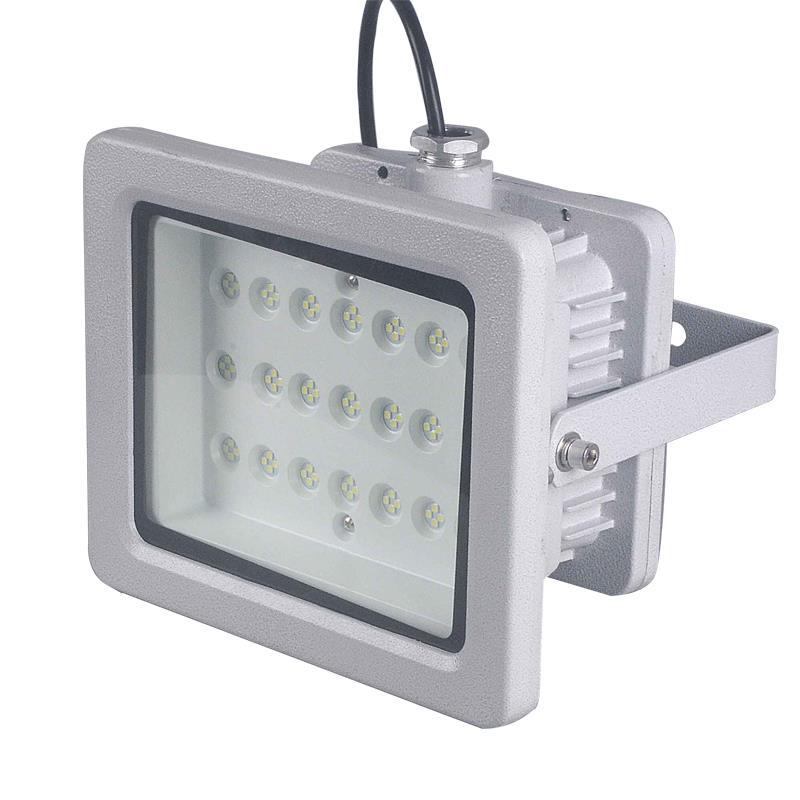
Analysis of the environmental protection characteristics of LED lights without mercury and other harmful substances
Addtime:2026-01-04 06:46:08 Click:22
Analysis of the environmental protection characteristics of LED lights without mercury and other harmful substances
Introduction
With the continuous advancement of science and technology, LED lights have gradually become the mainstream products in the lighting industry due to their energy-saving, environmental-friendly, and long-life characteristics. The environmental protection characteristics of LED lights are mainly reflected in their lack of mercury and other harmful substances, which makes their impact on the environment during use as low as possible and is of great significance to human health. This article will analyze the environmental protection characteristics of LED lights without mercury and other harmful substances.
Reasons why LED lights do not contain mercury and other harmful substances
LED lights do not contain mercury and other harmful substances mainly because of their principle of luminescence. Traditional lighting sources such as incandescent lamps and fluorescent lamps need to add mercury and other harmful substances during the manufacturing process, while LED lights do not require this. The principle of luminescence of LED lights is to produce photons through the electronic transition of semiconductor materials, and the luminescence process does not involve mercury and other harmful substances. Therefore, LED lights do not contain mercury and other harmful substances, which not only reduces the pollution of harmful substances to the environment but also reduces the impact on human health.
Analysis of the environmental protection characteristics of LED lights without mercury and other harmful substances
Impact on the environment: LED lights do not contain mercury and other harmful substances, which means that their impact on the environment during production, use, and waste disposal is greatly reduced. After traditional lighting sources are discarded, mercury and other harmful substances may enter the soil or water through waste, causing environmental pollution. However, the disposal of LED lights is relatively simple, as it only requires the recycling and utilization of the outer shell, circuit board, and other metallic parts of the LED lights, which will not cause environmental pollution.
Impact on human health: Mercury and other harmful substances pose great harm to human health. During the use of traditional lighting sources, mercury and other harmful substances may evaporate into the air, causing air pollution. Long-term inhalation of mercury and other harmful substances can harm human health. However, LED lights do not contain mercury and other harmful substances, which greatly reduces the impact of mercury and other harmful substances on human health.
Summary
LED lights do not contain mercury and other harmful substances, which makes their impact on the environment as low as possible during use and is of great significance to human health. With the continuous development of science and technology, the environmental protection characteristics of LED lights will be more widely applied, bringing more convenience to our lives and making greater contributions to environmental protection and human health.