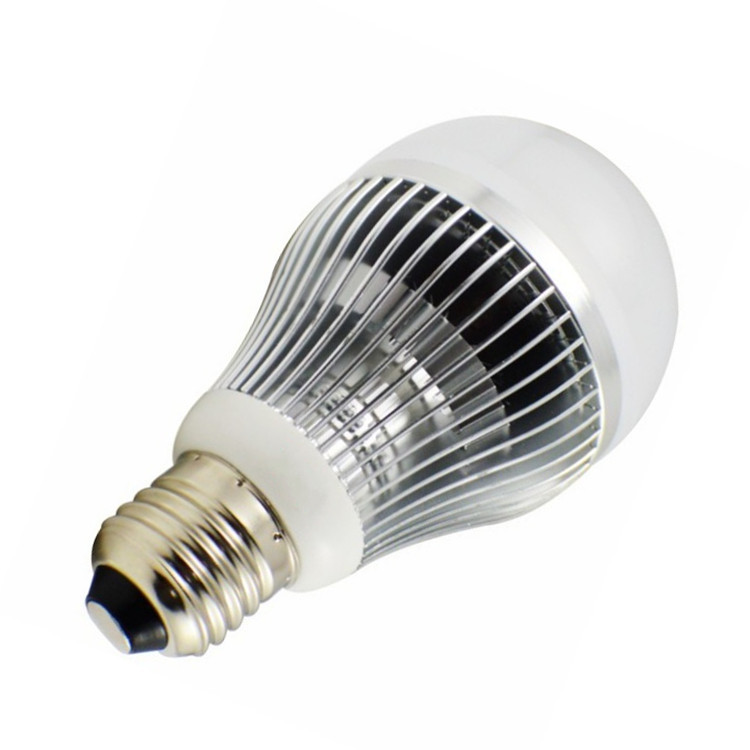
Low power consumption and weight restrictions in LED drone lights
Addtime:2026-01-13 03:02:27 Click:23
Low power consumption and weight restrictions in LED drone lights
During the development of drone lights, low power consumption and weight restrictions are two key factors. With the development of drone technology, drone lights not only need to meet brightness requirements, but also have low power consumption and lightweight design to ensure the endurance and flight stability of drones. This article will discuss the application of LED in drone lights and how to find a balance point between low power consumption and weight restrictions.
One, Application of LED in Drone Lights
LED (Light Emitting Diode) is a new type of lighting source with advantages such as low power consumption, high brightness, long lifespan, shock resistance, and vibration resistance, which is very suitable for the development of drone lights. LED bulbs are small in size and light in weight, which can significantly reduce the weight of drone lights. At the same time, LED lights have low power consumption, which can extend the flight time of the drone. In addition, the color temperature, brightness, and other parameters of LED lights can be adjusted according to requirements to meet various application needs of drone lights.
Two, Challenges of Low Power Consumption and Weight Limitations
Low power consumption: Drone lights need to maintain stable brightness during long-duration flights, which requires LED lights to have high efficiency and long service life. However, in order to achieve low power consumption, the luminous efficiency of LED lights must be reduced, which will lead to a decrease in brightness. Therefore, how to maintain sufficient brightness while achieving low power consumption becomes an important challenge in the design of drone lights.
Weight limitation: Drone lights need to be designed within the weight limitations of the drone. The weight of LED lights directly affects the flight performance of the drone. In order to achieve lightweight design, it is necessary to choose appropriate LED bulbs and optimize their installation methods to reduce the weight of LED lights while ensuring brightness.
Three, Solutions
High-efficiency LED: High-efficiency LED can provide higher brightness while reducing power consumption. By choosing high-efficiency LED bulbs, it is possible to maintain sufficient brightness while reducing the power consumption of drone lights. In addition, high-efficiency LED has a longer lifespan, which can reduce the frequency of bulb replacement and lower maintenance costs.
Optimizing the design of LED lights: On the premise of ensuring brightness, optimizing the design of LED lights can reduce the weight of LED lights. For example, using lightweight materials to make the LED light shell, or installing the LED lights near the center of gravity of the drone to reduce the center of gravity shift and improve flight stability.
Multi-LED light design: By connecting multiple LED lights in series, the current of each LED light can be reduced, thereby reducing power consumption. At the same time, multiple LED lights can provide higher brightness to meet the brightness requirements of drone lights. In addition, multiple LED lights can also provide redundancy in case of a failure, improving the reliability of drone lights.
Four, Conclusion
The application of LED in drone lights provides new possibilities for the development of drone lights. By choosing high-efficiency LED, optimizing the design of LED lights, and adopting multi-LED light design, it is possible to achieve low power consumption and weight limitations while maintaining sufficient brightness. In the future, with the continuous development of LED technology, it is believed that the application of LED in the field of drone lights will be more extensive, providing more possibilities for innovative drone light design.