Types of LED chip packaging materials and their impact on luminous efficiency
Addtime:2026-02-03 02:18:18 Click:19
Types of LED chip packaging materials and their impact on luminous efficiency
LED lamps, as a highly efficient and energy-saving lighting equipment, the luminous efficiency is one of the key indicators to measure their performance. The improvement of LED luminous efficiency is closely related to the selection of LED chip packaging materials. The packaging material of LED chips is one of the important factors determining the luminous efficiency of LED, which not only affects the light output efficiency of LED, but also affects the service life, heat dissipation performance and durability of LED. Therefore, the selection of LED packaging materials is crucial.
I. Types of LED chip encapsulation materials
Glass encapsulation materials: Glass encapsulation materials are the most common LED encapsulation materials, with high transparency and optical properties, which can guide the light of the LED chip to the maximum extent. However, the thermal conductivity of glass encapsulation materials is poor, which can cause the LED chip to overheat easily, affecting the luminous efficiency. In addition, the cost of glass encapsulation materials is relatively high, which limits their application in mass production.
Ceramic encapsulation materials: Ceramic encapsulation materials have good thermal conductivity, which can effectively reduce the temperature of the LED chip and improve the luminous efficiency. Ceramic encapsulation materials have good high-temperature resistance, which can withstand higher operating temperatures and extend the service life of LEDs. However, the transparency and optical properties of ceramic encapsulation materials are poor, and the cost is relatively high, which limits their application in mass production.
Metal encapsulation materials: Metal encapsulation materials have good thermal conductivity, which can effectively reduce the temperature of the LED chip and improve the luminous efficiency. Metal encapsulation materials are relatively low in cost and have good transparency and optical properties, which are suitable for mass production. However, the heat resistance of metal encapsulation materials is poor, and long-term use can cause deformation or cracking of the encapsulation material, affecting the service life of LEDs.
II. The impact of LED chip encapsulation materials on luminous efficiency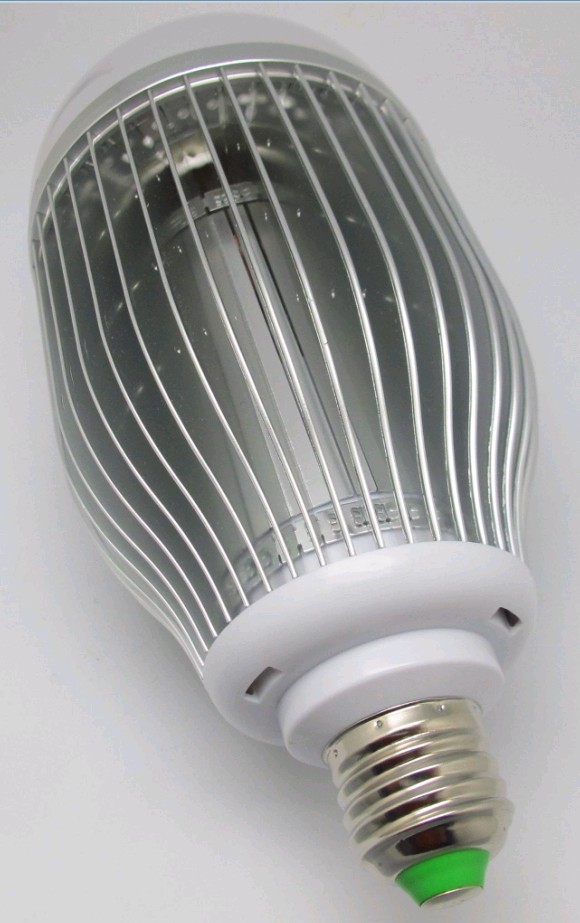 Thermal conductivity: The temperature of the LED chip directly affects the luminous efficiency, and excessive temperature can lead to a decrease in luminous efficiency. Therefore, the thermal conductivity of the encapsulation material is an important factor affecting the luminous efficiency. Ceramic encapsulation materials have good thermal conductivity, which can effectively reduce the temperature of the LED chip and improve the luminous efficiency. Metal encapsulation materials also have good thermal conductivity, but they are relatively high in cost and poor in heat resistance.
Light transmittance: The light transmittance of LED encapsulation materials directly affects the luminous efficiency. Glass encapsulation materials have good light transmittance, which can guide the light of the LED chip to the maximum extent. However, the thermal conductivity of glass encapsulation materials is poor, which limits its application in mass production. Metal encapsulation materials have poor light transmittance, but they are relatively low in cost and suitable for mass production.
Stability: The stability of the encapsulation material directly affects the luminous efficiency. Ceramic encapsulation materials have good heat resistance, which can withstand higher operating temperatures and extend the service life of LEDs. Metal encapsulation materials have poor heat resistance, and long-term use can cause deformation or cracking of the encapsulation material, affecting the service life of LEDs.
In summary, the choice of encapsulation material for LED chip has an important impact on the luminous efficiency. When selecting encapsulation materials, it is necessary to comprehensively consider their thermal conductivity, light transmittance, and stability factors to achieve the best luminous efficiency. With the continuous development of LED technology, the research and development of new encapsulation materials is also advancing, and the selection of LED encapsulation materials in the future will be more diversified, providing more possibilities for the improvement of LED luminous efficiency.
Thermal conductivity: The temperature of the LED chip directly affects the luminous efficiency, and excessive temperature can lead to a decrease in luminous efficiency. Therefore, the thermal conductivity of the encapsulation material is an important factor affecting the luminous efficiency. Ceramic encapsulation materials have good thermal conductivity, which can effectively reduce the temperature of the LED chip and improve the luminous efficiency. Metal encapsulation materials also have good thermal conductivity, but they are relatively high in cost and poor in heat resistance.
Light transmittance: The light transmittance of LED encapsulation materials directly affects the luminous efficiency. Glass encapsulation materials have good light transmittance, which can guide the light of the LED chip to the maximum extent. However, the thermal conductivity of glass encapsulation materials is poor, which limits its application in mass production. Metal encapsulation materials have poor light transmittance, but they are relatively low in cost and suitable for mass production.
Stability: The stability of the encapsulation material directly affects the luminous efficiency. Ceramic encapsulation materials have good heat resistance, which can withstand higher operating temperatures and extend the service life of LEDs. Metal encapsulation materials have poor heat resistance, and long-term use can cause deformation or cracking of the encapsulation material, affecting the service life of LEDs.
In summary, the choice of encapsulation material for LED chip has an important impact on the luminous efficiency. When selecting encapsulation materials, it is necessary to comprehensively consider their thermal conductivity, light transmittance, and stability factors to achieve the best luminous efficiency. With the continuous development of LED technology, the research and development of new encapsulation materials is also advancing, and the selection of LED encapsulation materials in the future will be more diversified, providing more possibilities for the improvement of LED luminous efficiency.

