
contact@namysoi7a.com
(713) 555-4123
Toggle Navigation

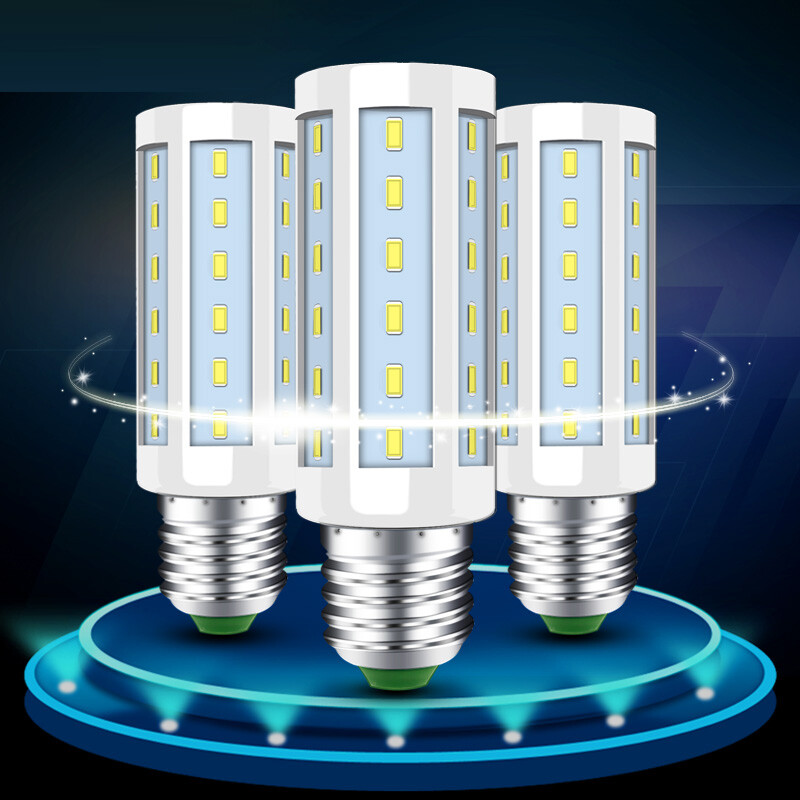 Advantages of LED lighting
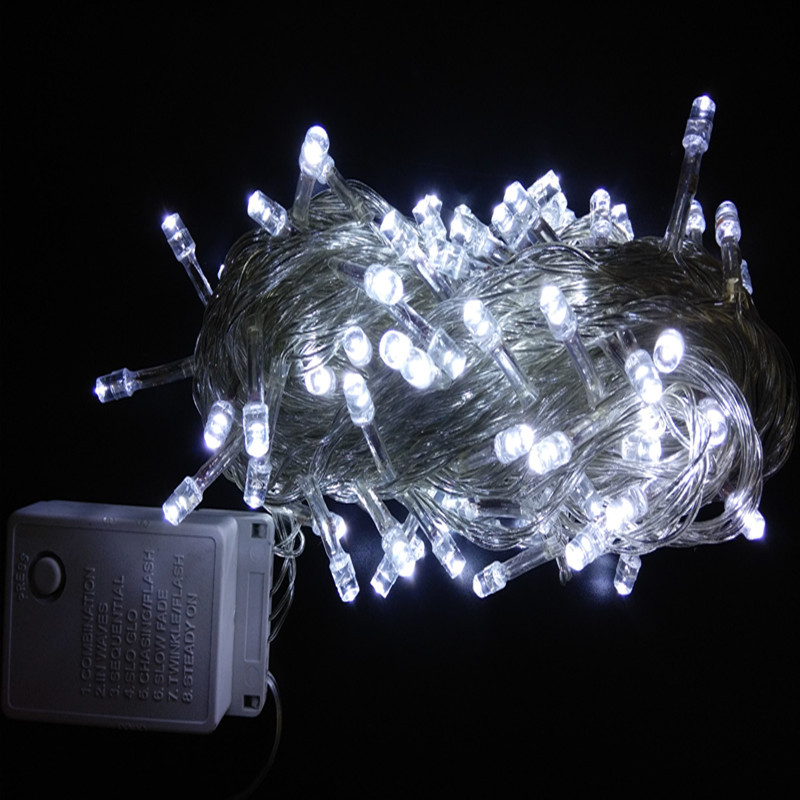 High energy efficiency: LED lamps have high energy efficiency characteristics, providing higher light output and lower energy consumption compared to traditional lighting methods. For example, the energy efficiency of LED lamps is about 10 times higher than that of traditional incandescent lamps and about 2 times higher than that of traditional fluorescent lamps.
Long life: The lifespan of LED lamps is usually between 50,000 to 100,000 hours, much higher than traditional lighting equipment, reducing the need for frequent replacement of lamps and reducing maintenance costs.
Easy to control: LED lamps support various control methods, including manual control, timing control, and sensor control, which can be flexibly adjusted according to actual needs to achieve energy conservation and emission reduction.
Energy-saving sensor control solution
High energy efficiency: LED lamps have high energy efficiency characteristics, providing higher light output and lower energy consumption compared to traditional lighting methods. For example, the energy efficiency of LED lamps is about 10 times higher than that of traditional incandescent lamps and about 2 times higher than that of traditional fluorescent lamps.
Long life: The lifespan of LED lamps is usually between 50,000 to 100,000 hours, much higher than traditional lighting equipment, reducing the need for frequent replacement of lamps and reducing maintenance costs.
Easy to control: LED lamps support various control methods, including manual control, timing control, and sensor control, which can be flexibly adjusted according to actual needs to achieve energy conservation and emission reduction.
Energy-saving sensor control solution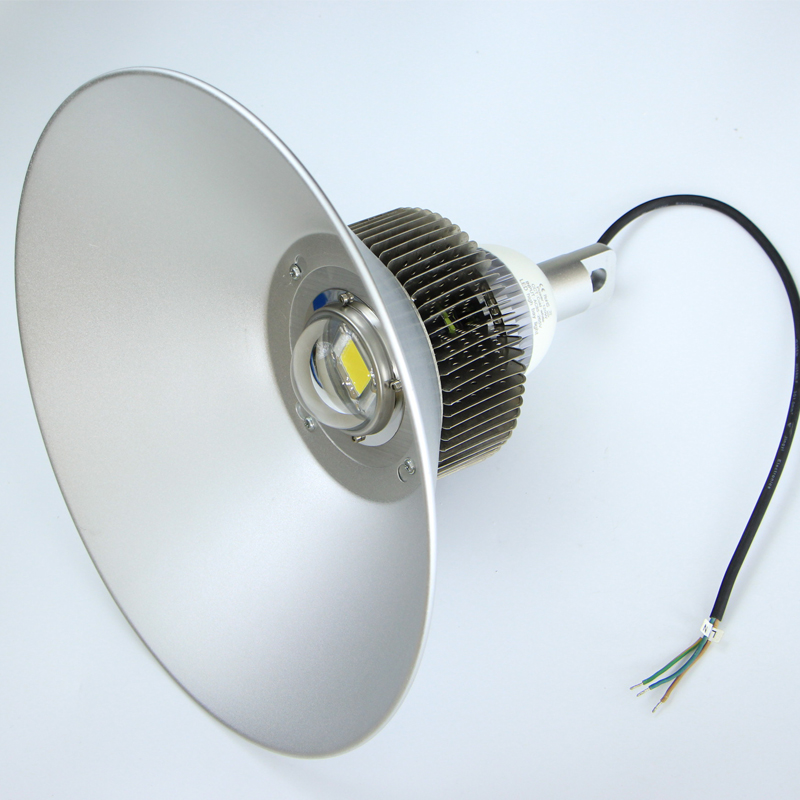 Intelligent sensor control: By installing intelligent sensors such as infrared sensors or ultrasonic sensors, the automatic detection of vehicles passing through the parking lot is realized. When vehicles entering or leaving are detected, the corresponding lighting equipment is automatically turned on to achieve demand-based lighting, avoiding unnecessary long-term lighting.
Time control: According to the operating hours of the parking lot, the timing on/off function is set. During off-peak hours, the system automatically reduces the lighting intensity or turns off some lights to reduce unnecessary energy consumption.
Brightness adjustment: Through real-time detection of light intensity inside the parking lot by sensors, the lighting brightness is automatically adjusted according to actual needs. When there is sufficient light, the system automatically reduces the lighting intensity to save energy; when there is insufficient light, the lighting intensity is automatically increased to ensure good lighting effects.
Multi-level control: By combining the above several control methods, a multi-level control strategy is formed. For example, when vehicles are detected entering, the lighting equipment is automatically turned on; when vehicles are detected leaving and no vehicles enter for a period of time, the lighting intensity is gradually reduced; when insufficient light is detected, the lighting intensity is automatically increased.
Conclusion
The combination of LED lighting and energy-saving sensor control technology provides an efficient and energy-saving solution for parking lot lighting systems. Through intelligent control, not only can energy consumption be effectively reduced and operating costs reduced, but the use efficiency and comfort of the lighting system can also be improved, bringing many conveniences to parking lot management. With the continuous advancement of technology, the future parking lot lighting system will be more intelligent and efficient, contributing to the sustainable development of the city.
Intelligent sensor control: By installing intelligent sensors such as infrared sensors or ultrasonic sensors, the automatic detection of vehicles passing through the parking lot is realized. When vehicles entering or leaving are detected, the corresponding lighting equipment is automatically turned on to achieve demand-based lighting, avoiding unnecessary long-term lighting.
Time control: According to the operating hours of the parking lot, the timing on/off function is set. During off-peak hours, the system automatically reduces the lighting intensity or turns off some lights to reduce unnecessary energy consumption.
Brightness adjustment: Through real-time detection of light intensity inside the parking lot by sensors, the lighting brightness is automatically adjusted according to actual needs. When there is sufficient light, the system automatically reduces the lighting intensity to save energy; when there is insufficient light, the lighting intensity is automatically increased to ensure good lighting effects.
Multi-level control: By combining the above several control methods, a multi-level control strategy is formed. For example, when vehicles are detected entering, the lighting equipment is automatically turned on; when vehicles are detected leaving and no vehicles enter for a period of time, the lighting intensity is gradually reduced; when insufficient light is detected, the lighting intensity is automatically increased.
Conclusion
The combination of LED lighting and energy-saving sensor control technology provides an efficient and energy-saving solution for parking lot lighting systems. Through intelligent control, not only can energy consumption be effectively reduced and operating costs reduced, but the use efficiency and comfort of the lighting system can also be improved, bringing many conveniences to parking lot management. With the continuous advancement of technology, the future parking lot lighting system will be more intelligent and efficient, contributing to the sustainable development of the city.