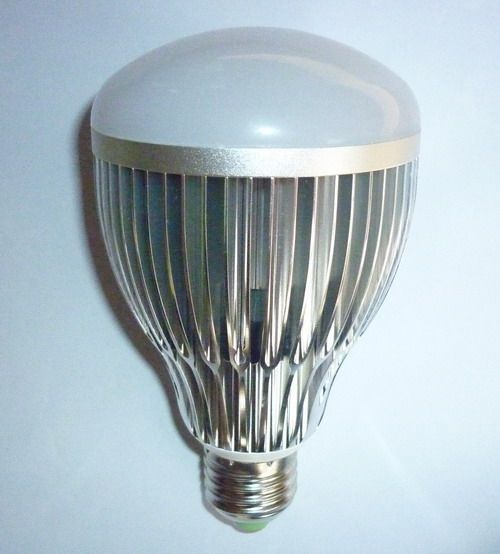
Networking and control protocols of LED in smart lights
Addtime:2026-03-05 18:03:54 Click:13
Networking and control protocols of LED in smart lights
Introduction
With the rapid development of technology, smart home devices are gradually penetrating into our daily lives. Among them, smart lights, as an important part of smart home devices, are changing our way of life in an unprecedented way. Smart lights, by integrating advanced LED lighting technology, not only provide more energy-saving and efficient lighting solutions, but also enable remote control, intelligent dimming, and scene modes through networking technology. This article will delve into the application of LED in smart lights, as well as the networking and control protocols of smart lights.
1. Application of LED in smart lights
LED (Light Emitting Diode) is a new type of light source with advantages such as low energy consumption, long life, high-temperature resistance, and shock resistance, which is an ideal light source for smart lights. Compared with traditional incandescent and fluorescent lamps, LED has higher luminous efficiency and longer service life, and can achieve more accurate color control, thereby meeting the lighting needs of different scenarios. In addition, LED is small in size, light in weight, and shock-resistant, which is very suitable for the design of smart lights.
2. Interconnection and control protocol of smart lights
The interconnection and control protocol of smart lights is an important technical foundation for remote control and automatic adjustment of smart lights. Currently, smart lights mainly use wireless communication technologies such as Zigbee, Wi-Fi, and Bluetooth for interconnection. Among them, the Zigbee protocol is a low-power, low-bandwidth, and low-latency wireless communication protocol, suitable for short-range communication of smart lights; the Wi-Fi protocol has higher transmission speed and coverage range, suitable for long-distance communication of smart lights; the Bluetooth protocol has the characteristics of low power consumption and low cost, suitable for short-range communication of smart lights.
3. Control protocol of smart lights
The control protocol of smart lights mainly includes local control and remote control. Local control is mainly carried out through the built-in control panel of smart lights, where users can manually operate through touch screens, buttons, and other methods to achieve functions such as switching on/off, dimming, and color temperature adjustment. Remote control is mainly carried out through devices such as mobile APPs, smart speakers, and smart plugs, where users can achieve remote control through voice commands, touch screen operations, and mobile APPs.
4. Application scenarios of the interconnection and control protocol of smart lights
The application scenarios of the interconnection and control protocol of smart lights are very extensive, for example: in the home scenario, users can remotely control the smart lights in their homes through mobile APPs, realizing automatic on/off, timing on/off, and scene mode functions; in the office scenario, users can achieve automatic on/off, timing on/off, and scene mode functions through smart lights to improve work efficiency; in public places, users can achieve automatic on/off, timing on/off, and scene mode functions through smart lights to improve the efficiency of public facilities.
Conclusion
The interconnection and control protocol of smart lights is an important technical foundation for remote control and automatic adjustment of smart lights. With the continuous development of Internet of Things technology, the interconnection and control protocol of smart lights will become more mature and perfect, bringing more convenience to our lives. In the future, smart lights will play an important role in a wider range of scenarios, bringing more surprises to our lives.