
contact@namysoi7a.com
(713) 555-4123
Toggle Navigation

 Firstly, uniformity design of LED light boxes
Choose high-quality LED light sources: The choice of light source is the primary consideration when designing LED light boxes. LED light boxes usually use LED beads, and the quality of LED beads directly affects the uniformity of the light box. Therefore, high-quality LED beads should be chosen to ensure the consistency of their light output.
Design reasonable light box structure: The structural design of the light box directly affects the uniformity of LED light boxes. For example, multi-layer structural design can be adopted to evenly distribute LED beads on each level to ensure the overall brightness uniformity of the light box. At the same time, the light transmittance material of the light box also needs to be selected with good light transmittance to reduce light scattering and reflection, and improve brightness uniformity.
Use appropriate optical components: In the design of light boxes, appropriate optical components such as reflectors and diffusers can be used to regulate and control the light emitted by LED beads, thereby improving the brightness uniformity of the light box.
Secondly, brightness control of LED light boxes
Adopt intelligent control technology: By using intelligent control technology such as PWM dimming and intelligent temperature control, precise control of LED light box brightness can be achieved. For example, PWM dimming technology can be used to adjust the working frequency of LED beads to achieve brightness adjustment, thereby achieving the purpose of brightness control.
Set reasonable brightness values: When designing LED light boxes, reasonable brightness values should be set according to actual needs. For example, for outdoor advertising light boxes, higher brightness values should be set to ensure clarity in strong light; for indoor advertising light boxes, lower brightness values should be set to avoid discomfort to people's eyes.
Use appropriate light source layout: By reasonably arranging LED light sources, the brightness uniformity of LED light boxes can be improved. For example, LED beads can be evenly distributed inside the light box to ensure the overall brightness uniformity of the light box. At the same time, according to actual needs, LED beads can be arranged in various corners of the light box to achieve a comprehensive display of advertising content.
Firstly, uniformity design of LED light boxes
Choose high-quality LED light sources: The choice of light source is the primary consideration when designing LED light boxes. LED light boxes usually use LED beads, and the quality of LED beads directly affects the uniformity of the light box. Therefore, high-quality LED beads should be chosen to ensure the consistency of their light output.
Design reasonable light box structure: The structural design of the light box directly affects the uniformity of LED light boxes. For example, multi-layer structural design can be adopted to evenly distribute LED beads on each level to ensure the overall brightness uniformity of the light box. At the same time, the light transmittance material of the light box also needs to be selected with good light transmittance to reduce light scattering and reflection, and improve brightness uniformity.
Use appropriate optical components: In the design of light boxes, appropriate optical components such as reflectors and diffusers can be used to regulate and control the light emitted by LED beads, thereby improving the brightness uniformity of the light box.
Secondly, brightness control of LED light boxes
Adopt intelligent control technology: By using intelligent control technology such as PWM dimming and intelligent temperature control, precise control of LED light box brightness can be achieved. For example, PWM dimming technology can be used to adjust the working frequency of LED beads to achieve brightness adjustment, thereby achieving the purpose of brightness control.
Set reasonable brightness values: When designing LED light boxes, reasonable brightness values should be set according to actual needs. For example, for outdoor advertising light boxes, higher brightness values should be set to ensure clarity in strong light; for indoor advertising light boxes, lower brightness values should be set to avoid discomfort to people's eyes.
Use appropriate light source layout: By reasonably arranging LED light sources, the brightness uniformity of LED light boxes can be improved. For example, LED beads can be evenly distributed inside the light box to ensure the overall brightness uniformity of the light box. At the same time, according to actual needs, LED beads can be arranged in various corners of the light box to achieve a comprehensive display of advertising content.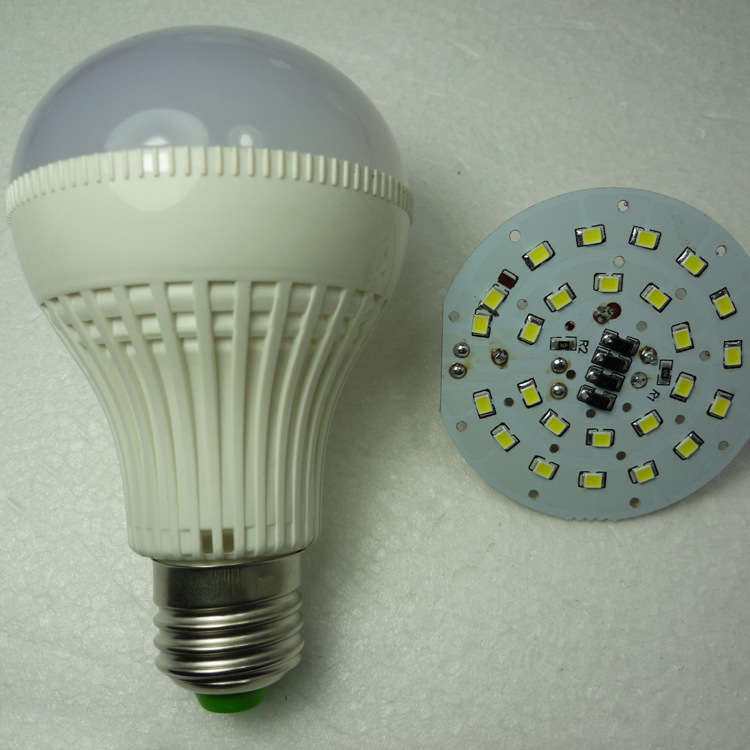 In summary, the uniformity design of LED light box and brightness control are the key factors to ensure its visual effect. Only through scientific and reasonable design and control can LED light boxes achieve the best effect in advertising displays. In the future, with the continuous development and innovation of LED technology, it is believed that the uniformity design and brightness control of LED light boxes will be further optimized and improved.