Application of LED lighting technology in food preservation
Addtime:2025-12-03 22:08:59 Click:26
Application of LED lighting technology in food preservation
With the continuous advancement of science and technology, food preservation technology has also developed rapidly. Although traditional food preservation technology has, to a certain extent, solved the problem of food loss during storage, it still has shortcomings such as unsatisfactory preservation effect, high cost, and high energy consumption. In recent years, LED lighting technology, due to its advantages such as energy saving, high efficiency, environmental protection, and adjustable brightness, has gradually become a popular technology in the field of food preservation.
I. Light Application Technology of LED in Food Preservation
Characteristics of LED Light Sources
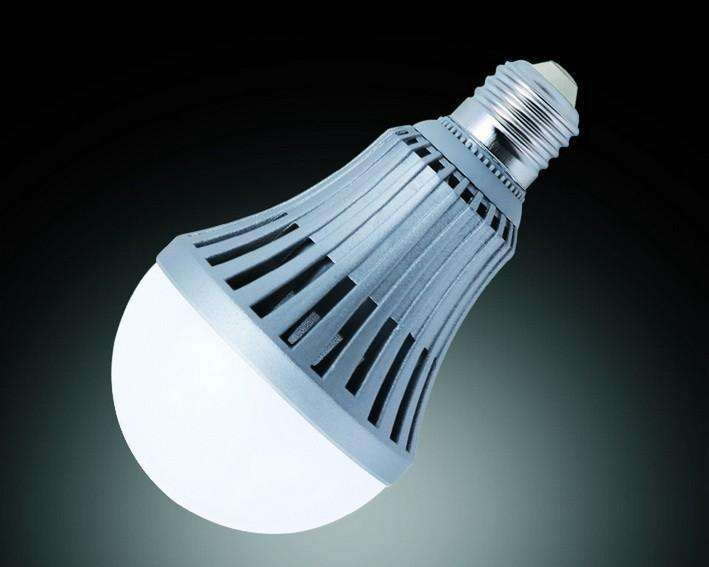
LED (Light Emitting Diode) is an efficient light source made by the electroluminescence principle of semiconductor materials, with long life, wide spectral range, high luminous efficiency, low energy consumption, fast response speed, small size, high reliability, long life, good light quality, no ultraviolet and infrared radiation, no pollution, and adjustable light. The spectral distribution of LED light sources can be flexibly adjusted, providing good lighting conditions for food preservation.
Application of LED Light Sources in Food Preservation
(1) Extending Food Shelf Life
LED light sources can simulate natural light, suppress the enzymatic reactions and microbial growth in food, thereby extending the shelf life of food. For example, by adjusting the spectrum of LED light sources, the activity of enzymes in fruits and vegetables can be suppressed, slowing down their respiration, extending their freshness. In addition, LED light sources can also extend the shelf life of food by suppressing the growth of microorganisms in food. For example, by using specific wavelength LED light sources, harmful microorganisms in food can be suppressed, thereby extending the shelf life of food.
(2) Improving Food Taste and Quality
LED light sources can simulate natural light, improve the taste and quality of food through adjusting the intensity and wavelength of light. For example, by adjusting the spectrum of LED light sources, the color and taste of fruits and vegetables can be improved, making them more delicious. In addition, LED light sources can also improve the appearance and taste of food through adjusting the intensity and wavelength of light, making them more beautiful and attractive.
(3) Reducing Food Loss
LED light sources can simulate natural light, reduce food loss through adjusting the intensity and wavelength of light. For example, by adjusting the spectrum of LED light sources, the enzymatic reactions and microbial growth in food can be suppressed, reducing food loss. In addition, LED light sources can also improve the appearance and taste of food through adjusting the intensity and wavelength of light, reducing food loss.
II. Application Prospects of LED Light Sources in Food Preservation With the continuous development and maturity of LED light source technology, the application prospects of LED light sources in food preservation are very promising. LED light sources can simulate natural light, improve the taste and quality of food through adjusting the intensity and wavelength of light, extend the shelf life of food, reduce food loss, and enhance the preservation effect of food. In addition, LED light sources can also improve the appearance and taste of food through adjusting the intensity and wavelength of light, enhancing the market competitiveness of food. Therefore, the application prospects of LED light sources in food preservation are very promising.
In summary, the application of LED light sources in food preservation is of great significance and value. In the future, with the continuous development and maturity of LED light source technology, the application of LED light sources in food preservation will be more extensive, making a greater contribution to the development of food preservation technology.
With the continuous development and maturity of LED light source technology, the application prospects of LED light sources in food preservation are very promising. LED light sources can simulate natural light, improve the taste and quality of food through adjusting the intensity and wavelength of light, extend the shelf life of food, reduce food loss, and enhance the preservation effect of food. In addition, LED light sources can also improve the appearance and taste of food through adjusting the intensity and wavelength of light, enhancing the market competitiveness of food. Therefore, the application prospects of LED light sources in food preservation are very promising.
In summary, the application of LED light sources in food preservation is of great significance and value. In the future, with the continuous development and maturity of LED light source technology, the application of LED light sources in food preservation will be more extensive, making a greater contribution to the development of food preservation technology.