
contact@namysoi7a.com
(713) 555-4123
Toggle Navigation

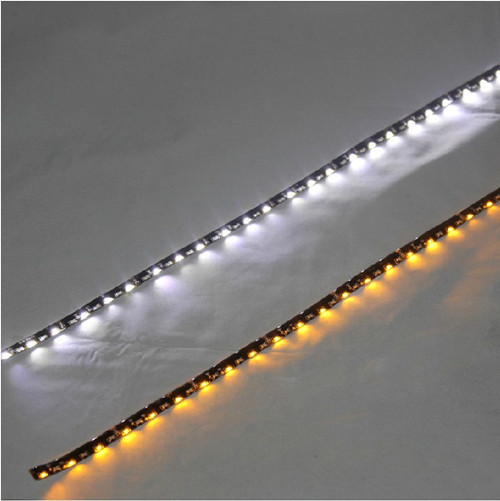 In the field of optoelectronic display, LED (Light Emitting Diode) stands out as an important component of displays due to its high brightness, long lifespan, low energy consumption, and wide operating temperature range. LED displays are widely used in portable devices, televisions, computer screens, and outdoor billboards. This article will delve into the pixel structure and driving technology of LED in optoelectronic displays to help readers better understand the key aspects of this technology.
1. LED's pixel structure
The pixel structure of LED displays is mainly composed of LED chips, packaging materials, reflective layers, electrodes, and substrates. Each pixel usually contains one or more LED chips. The light emitted by the LED chips passes through the combination of the packaging materials and reflective layers to diffuse or focus in a specific pattern, thereby achieving the control of the color and brightness of the pixel.
LED Chip: The LED chip is the core of the pixel, responsible for converting electrical energy into light energy. The type of LED chip determines the color performance of the display. Common LED chips include red, green, and blue LEDs.
Packaging Material: The packaging material usually includes resins, plastics, etc., and its function is to protect the LED chip from environmental damage, and at the same time control the output of light by changing the path of light propagation.
In the field of optoelectronic display, LED (Light Emitting Diode) stands out as an important component of displays due to its high brightness, long lifespan, low energy consumption, and wide operating temperature range. LED displays are widely used in portable devices, televisions, computer screens, and outdoor billboards. This article will delve into the pixel structure and driving technology of LED in optoelectronic displays to help readers better understand the key aspects of this technology.
1. LED's pixel structure
The pixel structure of LED displays is mainly composed of LED chips, packaging materials, reflective layers, electrodes, and substrates. Each pixel usually contains one or more LED chips. The light emitted by the LED chips passes through the combination of the packaging materials and reflective layers to diffuse or focus in a specific pattern, thereby achieving the control of the color and brightness of the pixel.
LED Chip: The LED chip is the core of the pixel, responsible for converting electrical energy into light energy. The type of LED chip determines the color performance of the display. Common LED chips include red, green, and blue LEDs.
Packaging Material: The packaging material usually includes resins, plastics, etc., and its function is to protect the LED chip from environmental damage, and at the same time control the output of light by changing the path of light propagation. Reflective Layer: The reflective layer can be a metal coating or an optical film, and its function is to reflect the light emitted by the LED chip, avoid light loss, and improve the efficiency of light utilization.
 Electrode: The electrode is responsible for connecting the LED chip and the external power supply, providing the current to drive the LED to emit light.
Substrate: The substrate provides support for the LED chip and combines with the packaging material to form the basic structure of the pixel.
2. LED driving technology
LED driving technology is a key link to ensure the normal operation of LED displays. Driving technology mainly includes constant current driving and constant voltage driving.
Constant Current Driving: Constant current driving provides a stable current to the LED through a constant current source, thereby ensuring the brightness and color consistency of the LED. This method can effectively prevent the LED from overheating, extending its service life. Constant current driving is usually used in high-end displays such as LED televisions.
Constant Voltage Driving: Constant voltage driving controls the brightness of the LED by adjusting the power supply voltage. This method is cost-effective, but may result in uneven LED brightness and is prone to overheating issues. Therefore, constant voltage driving is mainly applied to low-cost or portable devices.
In addition, to further improve the performance of the display, LED driving technology also involves technical aspects such as dynamic dimming, color correction, and temperature management. Dynamic dimming technology adjusts the brightness of the LED according to the image content, thereby achieving a more realistic image display. Color correction technology ensures accurate matching between different colors, enhancing the visual effects of the image. Temperature management technology ensures that the LED does not overheat during high-brightness operation by optimizing the heat dissipation design, thereby improving the stability and lifespan of the display.
In summary, the application of LED in optoelectronic display not only depends on the design of its pixel structure, but also relies on advanced driving technology. With the continuous advancement of technology, the performance of LED displays will be further improved, providing users with more colorful and rich visual experiences.
Electrode: The electrode is responsible for connecting the LED chip and the external power supply, providing the current to drive the LED to emit light.
Substrate: The substrate provides support for the LED chip and combines with the packaging material to form the basic structure of the pixel.
2. LED driving technology
LED driving technology is a key link to ensure the normal operation of LED displays. Driving technology mainly includes constant current driving and constant voltage driving.
Constant Current Driving: Constant current driving provides a stable current to the LED through a constant current source, thereby ensuring the brightness and color consistency of the LED. This method can effectively prevent the LED from overheating, extending its service life. Constant current driving is usually used in high-end displays such as LED televisions.
Constant Voltage Driving: Constant voltage driving controls the brightness of the LED by adjusting the power supply voltage. This method is cost-effective, but may result in uneven LED brightness and is prone to overheating issues. Therefore, constant voltage driving is mainly applied to low-cost or portable devices.
In addition, to further improve the performance of the display, LED driving technology also involves technical aspects such as dynamic dimming, color correction, and temperature management. Dynamic dimming technology adjusts the brightness of the LED according to the image content, thereby achieving a more realistic image display. Color correction technology ensures accurate matching between different colors, enhancing the visual effects of the image. Temperature management technology ensures that the LED does not overheat during high-brightness operation by optimizing the heat dissipation design, thereby improving the stability and lifespan of the display.
In summary, the application of LED in optoelectronic display not only depends on the design of its pixel structure, but also relies on advanced driving technology. With the continuous advancement of technology, the performance of LED displays will be further improved, providing users with more colorful and rich visual experiences.