
contact@namysoi7a.com
(713) 555-4123
Toggle Navigation

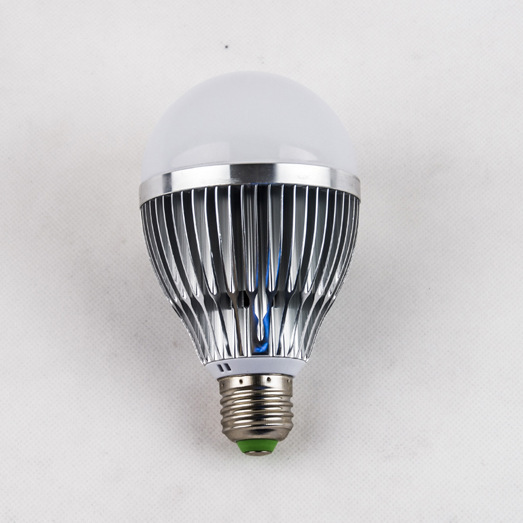 Thermal conductivity materials: By using materials with high thermal conductivity, such as aluminum nitride and boron nitride, as heat dissipation substrates, the heat dissipation capability of LED can be effectively improved. These materials have thermal conductivity coefficients much higher than air and water vapor in the air, which can quickly remove heat from the LED during operation to prevent overheating.
Thermal conductivity coating: Coating heat-conductive coatings (such as silver, copper, etc.) with excellent thermal conductivity on the surface of LED packaging materials can significantly improve heat dissipation efficiency. These coatings can quickly conduct heat and reduce the accumulation of heat inside the packaging materials.
Composite materials: By combining heat-conductive materials with excellent thermal conductivity, such as graphene and carbon nanotubes, the heat dissipation performance of LED can be further enhanced. These materials have ultra-high thermal conductivity and good thermal diffusion ability, which can dissipate heat efficiently in a short time.
Optimization of LED optical properties
Thermal conductivity materials: By using materials with high thermal conductivity, such as aluminum nitride and boron nitride, as heat dissipation substrates, the heat dissipation capability of LED can be effectively improved. These materials have thermal conductivity coefficients much higher than air and water vapor in the air, which can quickly remove heat from the LED during operation to prevent overheating.
Thermal conductivity coating: Coating heat-conductive coatings (such as silver, copper, etc.) with excellent thermal conductivity on the surface of LED packaging materials can significantly improve heat dissipation efficiency. These coatings can quickly conduct heat and reduce the accumulation of heat inside the packaging materials.
Composite materials: By combining heat-conductive materials with excellent thermal conductivity, such as graphene and carbon nanotubes, the heat dissipation performance of LED can be further enhanced. These materials have ultra-high thermal conductivity and good thermal diffusion ability, which can dissipate heat efficiently in a short time.
Optimization of LED optical properties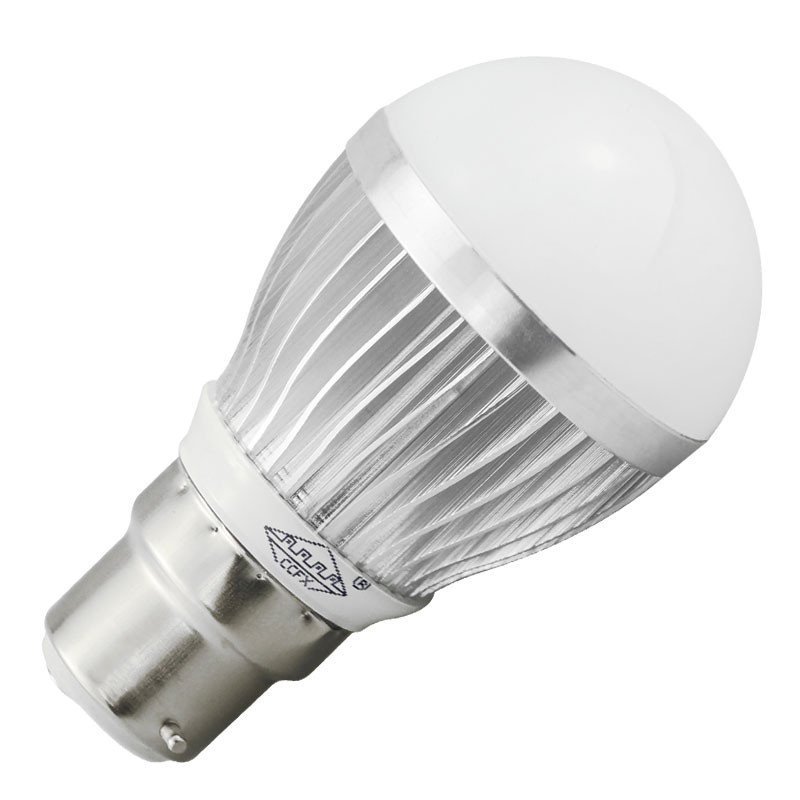 In addition to heat dissipation technology, new materials also play an important role in improving LED optical performance. Optical properties mainly include parameters such as light efficiency, color temperature, and beam angle. By using new materials, the following optimizations can be achieved:
Optical coating: Coating specific optical coatings on the surface of LED packaging materials can effectively improve the optical performance of LED. For example, using anti-reflective coatings can reduce light reflection loss and improve light transmittance; while antireflection films can increase light transmittance and reduce light scattering, thereby improving light efficiency.
Microstructure design: By using nanometer or micrometer microstructure design, fine control of LED light output can be achieved. By changing the shape, size, and arrangement of the microstructure, the refraction, reflection, and scattering of light can be controlled, thereby optimizing the beam angle and color temperature of the LED.
In addition to heat dissipation technology, new materials also play an important role in improving LED optical performance. Optical properties mainly include parameters such as light efficiency, color temperature, and beam angle. By using new materials, the following optimizations can be achieved:
Optical coating: Coating specific optical coatings on the surface of LED packaging materials can effectively improve the optical performance of LED. For example, using anti-reflective coatings can reduce light reflection loss and improve light transmittance; while antireflection films can increase light transmittance and reduce light scattering, thereby improving light efficiency.
Microstructure design: By using nanometer or micrometer microstructure design, fine control of LED light output can be achieved. By changing the shape, size, and arrangement of the microstructure, the refraction, reflection, and scattering of light can be controlled, thereby optimizing the beam angle and color temperature of the LED.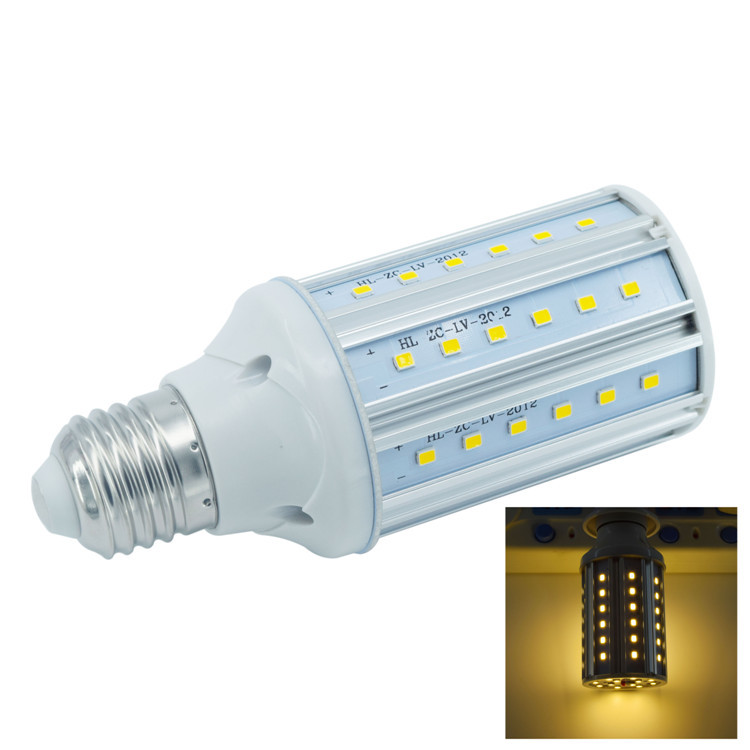 Luminescent materials: Choosing appropriate luminescent materials is also a key factor in improving LED optical performance. For example, by introducing luminescent materials with different excitation and emission spectra, multi-color emission can be achieved to meet the needs of different application scenarios. In addition, by doping different elements, the color temperature of luminescent materials can be adjusted to meet different lighting requirements.
Conclusion
The application of new materials in LED heat dissipation and optics provides new ideas and methods for improving LED performance. By reasonably selecting and using these new materials, not only can the heat dissipation problem of LED be effectively solved, but its optical properties can also be further optimized. In the future, with the continuous development of material science and optoelectronic technology, the application of new materials in the LED field will be more extensive and in-depth, injecting new vitality into the continuous development of the LED industry.
Luminescent materials: Choosing appropriate luminescent materials is also a key factor in improving LED optical performance. For example, by introducing luminescent materials with different excitation and emission spectra, multi-color emission can be achieved to meet the needs of different application scenarios. In addition, by doping different elements, the color temperature of luminescent materials can be adjusted to meet different lighting requirements.
Conclusion
The application of new materials in LED heat dissipation and optics provides new ideas and methods for improving LED performance. By reasonably selecting and using these new materials, not only can the heat dissipation problem of LED be effectively solved, but its optical properties can also be further optimized. In the future, with the continuous development of material science and optoelectronic technology, the application of new materials in the LED field will be more extensive and in-depth, injecting new vitality into the continuous development of the LED industry.