
contact@namysoi7a.com
(713) 555-4123
Toggle Navigation

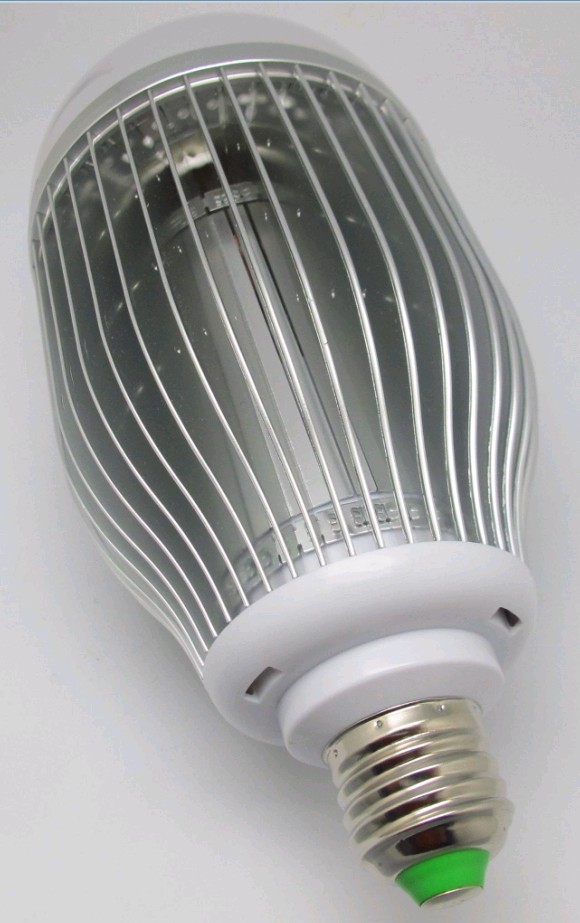 I. Analysis of the Causes of LED Light Decay Phenomenon
Material aging
The internal materials of LED lamps, such as LED chips, heat sinks, encapsulation materials, etc., will gradually age with the increase of usage time, thereby affecting the luminous efficiency of LED lamps. In the process of electroluminescence of LED chips, electrons and holes recombine to produce photons, but the aging of materials will reduce the recombination efficiency of electrons and holes, thereby causing light decay.
Working environment temperature
During operation, the internal heat of LED lamps will continuously generate. If the heat dissipation effect is not good, the working temperature of LED lamps will rise. The rise in temperature will accelerate the aging speed of the materials, thereby affecting the luminous efficiency of LED lamps and causing light decay.
Power supply
During operation, the power supply of LED lamps will generate a certain amount of heat. If the heat dissipation effect of the power supply is not good, it will also lead to a decrease in the luminous efficiency of LED lamps, thereby triggering the light decay phenomenon.
Mechanical damage
During the use of LED lamps, if they are subjected to mechanical damage, such as falling or collision, it will also cause damage to the internal materials of LED lamps, thereby triggering the light decay phenomenon.
II. Effective Preventive Measures
Choose reliable quality LED lamps
When purchasing LED lamps, it is best to choose reliable quality and reputable brands, avoiding the purchase of poor-quality products to reduce the occurrence of light decay.
I. Analysis of the Causes of LED Light Decay Phenomenon
Material aging
The internal materials of LED lamps, such as LED chips, heat sinks, encapsulation materials, etc., will gradually age with the increase of usage time, thereby affecting the luminous efficiency of LED lamps. In the process of electroluminescence of LED chips, electrons and holes recombine to produce photons, but the aging of materials will reduce the recombination efficiency of electrons and holes, thereby causing light decay.
Working environment temperature
During operation, the internal heat of LED lamps will continuously generate. If the heat dissipation effect is not good, the working temperature of LED lamps will rise. The rise in temperature will accelerate the aging speed of the materials, thereby affecting the luminous efficiency of LED lamps and causing light decay.
Power supply
During operation, the power supply of LED lamps will generate a certain amount of heat. If the heat dissipation effect of the power supply is not good, it will also lead to a decrease in the luminous efficiency of LED lamps, thereby triggering the light decay phenomenon.
Mechanical damage
During the use of LED lamps, if they are subjected to mechanical damage, such as falling or collision, it will also cause damage to the internal materials of LED lamps, thereby triggering the light decay phenomenon.
II. Effective Preventive Measures
Choose reliable quality LED lamps
When purchasing LED lamps, it is best to choose reliable quality and reputable brands, avoiding the purchase of poor-quality products to reduce the occurrence of light decay.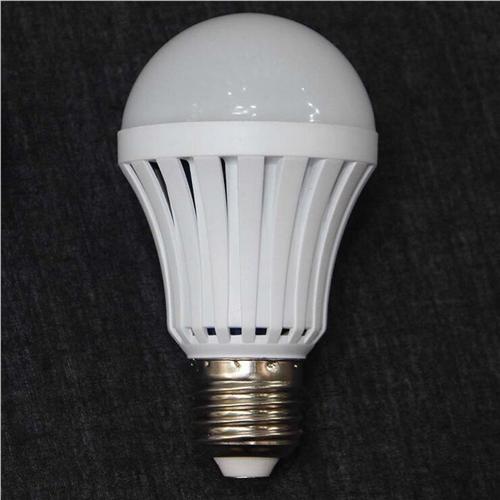 Maintain a good working environment temperature
When using LED lamps, it is best to maintain a suitable working environment temperature, avoiding the operation of LED lamps in a high-temperature environment. At the same time, clean the dust around the LED lamps regularly to improve the heat dissipation effect of the LED lamps and reduce the working temperature of the LED lamps.
Choose a suitable power supply
When choosing a power supply, it should be selected with reliable quality and appropriate power matching, avoiding the use of power supplies with excessive power to reduce the working temperature of LED lamps and reduce the occurrence of light decay.
Avoid mechanical damage
When using LED lamps, it should be avoided that LED lamps are subjected to mechanical damage, such as falling or collision, to reduce the damage to the internal materials of LED lamps and reduce the occurrence of light decay.
Regularly replace LED lamps
The service life of LED lamps is generally between 5000 and 10000 hours, and LED lamps should be replaced regularly to avoid the occurrence of light decay during use.
In general, the light decay phenomenon of LED lamps is an inevitable phenomenon during their use, but we can take effective preventive measures to reduce the occurrence of light decay, extend the service life of LED lamps, and improve the user experience.
Maintain a good working environment temperature
When using LED lamps, it is best to maintain a suitable working environment temperature, avoiding the operation of LED lamps in a high-temperature environment. At the same time, clean the dust around the LED lamps regularly to improve the heat dissipation effect of the LED lamps and reduce the working temperature of the LED lamps.
Choose a suitable power supply
When choosing a power supply, it should be selected with reliable quality and appropriate power matching, avoiding the use of power supplies with excessive power to reduce the working temperature of LED lamps and reduce the occurrence of light decay.
Avoid mechanical damage
When using LED lamps, it should be avoided that LED lamps are subjected to mechanical damage, such as falling or collision, to reduce the damage to the internal materials of LED lamps and reduce the occurrence of light decay.
Regularly replace LED lamps
The service life of LED lamps is generally between 5000 and 10000 hours, and LED lamps should be replaced regularly to avoid the occurrence of light decay during use.
In general, the light decay phenomenon of LED lamps is an inevitable phenomenon during their use, but we can take effective preventive measures to reduce the occurrence of light decay, extend the service life of LED lamps, and improve the user experience.